Shopping cart
Your cart empty!

Your cart empty!
Terms of use dolor sit amet consectetur, adipisicing elit. Recusandae provident ullam aperiam quo ad non corrupti sit vel quam repellat ipsa quod sed, repellendus adipisci, ducimus ea modi odio assumenda.
Lorem ipsum dolor sit amet consectetur adipisicing elit. Sequi, cum esse possimus officiis amet ea voluptatibus libero! Dolorum assumenda esse, deserunt ipsum ad iusto! Praesentium error nobis tenetur at, quis nostrum facere excepturi architecto totam.
Lorem ipsum dolor sit amet consectetur adipisicing elit. Inventore, soluta alias eaque modi ipsum sint iusto fugiat vero velit rerum.
Sequi, cum esse possimus officiis amet ea voluptatibus libero! Dolorum assumenda esse, deserunt ipsum ad iusto! Praesentium error nobis tenetur at, quis nostrum facere excepturi architecto totam.
Lorem ipsum dolor sit amet consectetur adipisicing elit. Inventore, soluta alias eaque modi ipsum sint iusto fugiat vero velit rerum.
Dolor sit amet consectetur adipisicing elit. Sequi, cum esse possimus officiis amet ea voluptatibus libero! Dolorum assumenda esse, deserunt ipsum ad iusto! Praesentium error nobis tenetur at, quis nostrum facere excepturi architecto totam.
Lorem ipsum dolor sit amet consectetur adipisicing elit. Inventore, soluta alias eaque modi ipsum sint iusto fugiat vero velit rerum.
Sit amet consectetur adipisicing elit. Sequi, cum esse possimus officiis amet ea voluptatibus libero! Dolorum assumenda esse, deserunt ipsum ad iusto! Praesentium error nobis tenetur at, quis nostrum facere excepturi architecto totam.
Lorem ipsum dolor sit amet consectetur adipisicing elit. Inventore, soluta alias eaque modi ipsum sint iusto fugiat vero velit rerum.
Do you agree to our terms? Sign up

1. Fuel-Efficient Driving Habits:
a. Smooth Acceleration and Deceleration: Avoid sudden acceleration and heavy braking. Gradual changes in speed are more fuel-efficient.
b. Maintain a Steady Speed: Use cruise control on highways to maintain a consistent speed, reducing the need for frequent acceleration and deceleration.
c. Reduce Idle Time: Turn off the engine when parked or waiting for an extended period. Idling consumes fuel and emits unnecessary pollutants.
d. Proper Tire Maintenance: Keep your tires properly inflated, as underinflated tires can increase fuel consumption. Regularly check tire pressure and alignment.
e. Lighten the Load: Remove unnecessary items from your vehicle's trunk to reduce weight, as excess weight can decrease fuel efficiency.
2. Hybrid and Electric Vehicles:
a. Hybrid Cars: Hybrid vehicles combine an internal combustion engine with an electric motor. They are more fuel-efficient, especially in stop-and-go traffic, as they can run on electric power alone at lower speeds.
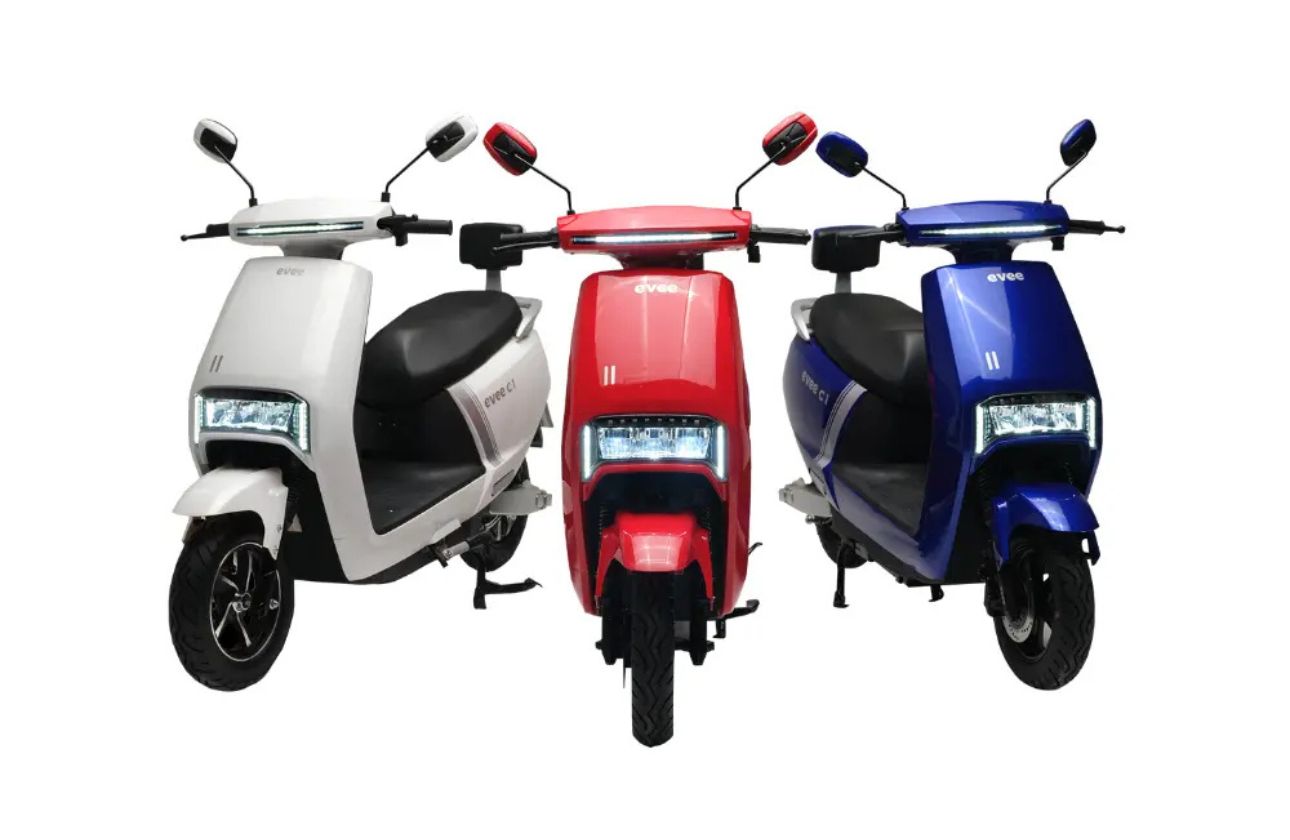
b. Electric Cars: Electric vehicles (EVs) produce zero tailpipe emissions and are highly efficient. They are charged using electricity and have become increasingly popular as more charging infrastructure is developed.
c. Plug-In Hybrids: These vehicles can run on electricity for a certain range before switching to the gasoline engine. They offer a balance between electric and hybrid technology.
d. Regenerative Braking: Many hybrids and EVs use regenerative braking to recover energy during deceleration and braking, which is then stored for later use.
3. Vehicle Maintenance:
a. Regular Maintenance: Keep your vehicle well-maintained with scheduled oil changes, air filter replacements, and tune-ups. A well-maintained vehicle operates more efficiently.
b. Use the Right Oil: Use the manufacturer-recommended motor oil to minimize friction and enhance engine performance.
c. Keep Air Filters Clean: Clogged air filters can reduce fuel efficiency. Replace or clean them as needed.
4. Alternative Transportation:
a. Carpooling: Share rides with others to reduce the number of vehicles on the road and decrease carbon emissions.
b. Public Transportation: Utilize public transportation when possible to reduce individual carbon footprints.
c. Bicycling and Walking: For short trips, consider cycling or walking as environmentally friendly alternatives.
5. Reduce A/C Usage:
a. Use A/C Wisely: Air conditioning consumes fuel. On the highway, using the windows for ventilation might be more fuel-efficient. However, at higher speeds, it's better to use A/C to reduce aerodynamic drag.
6. Eco-Friendly Routes:
a. Plan Efficient Routes: Use navigation apps or GPS systems that offer the most fuel-efficient routes, avoiding traffic and roadblocks.
7. Reduce Carbon Emissions:
a. Carbon Offsets: Consider purchasing carbon offsets to compensate for your vehicle's emissions by supporting renewable energy projects or reforestation efforts.
b. Eco-Friendly Driving Apps: Some apps can monitor your driving habits and provide real-time feedback on how to improve fuel efficiency and reduce emissions.
By adopting these fuel-efficient driving habits and considering eco-friendly vehicle options, you can significantly reduce carbon emissions and minimize your impact on the environment. Making eco-conscious choices as a driver is not only responsible but also contributes to a more sustainable and cleaner future.












Leave a Comment