Shopping cart
Your cart empty!

Your cart empty!
Terms of use dolor sit amet consectetur, adipisicing elit. Recusandae provident ullam aperiam quo ad non corrupti sit vel quam repellat ipsa quod sed, repellendus adipisci, ducimus ea modi odio assumenda.
Lorem ipsum dolor sit amet consectetur adipisicing elit. Sequi, cum esse possimus officiis amet ea voluptatibus libero! Dolorum assumenda esse, deserunt ipsum ad iusto! Praesentium error nobis tenetur at, quis nostrum facere excepturi architecto totam.
Lorem ipsum dolor sit amet consectetur adipisicing elit. Inventore, soluta alias eaque modi ipsum sint iusto fugiat vero velit rerum.
Sequi, cum esse possimus officiis amet ea voluptatibus libero! Dolorum assumenda esse, deserunt ipsum ad iusto! Praesentium error nobis tenetur at, quis nostrum facere excepturi architecto totam.
Lorem ipsum dolor sit amet consectetur adipisicing elit. Inventore, soluta alias eaque modi ipsum sint iusto fugiat vero velit rerum.
Dolor sit amet consectetur adipisicing elit. Sequi, cum esse possimus officiis amet ea voluptatibus libero! Dolorum assumenda esse, deserunt ipsum ad iusto! Praesentium error nobis tenetur at, quis nostrum facere excepturi architecto totam.
Lorem ipsum dolor sit amet consectetur adipisicing elit. Inventore, soluta alias eaque modi ipsum sint iusto fugiat vero velit rerum.
Sit amet consectetur adipisicing elit. Sequi, cum esse possimus officiis amet ea voluptatibus libero! Dolorum assumenda esse, deserunt ipsum ad iusto! Praesentium error nobis tenetur at, quis nostrum facere excepturi architecto totam.
Lorem ipsum dolor sit amet consectetur adipisicing elit. Inventore, soluta alias eaque modi ipsum sint iusto fugiat vero velit rerum.
Do you agree to our terms? Sign up
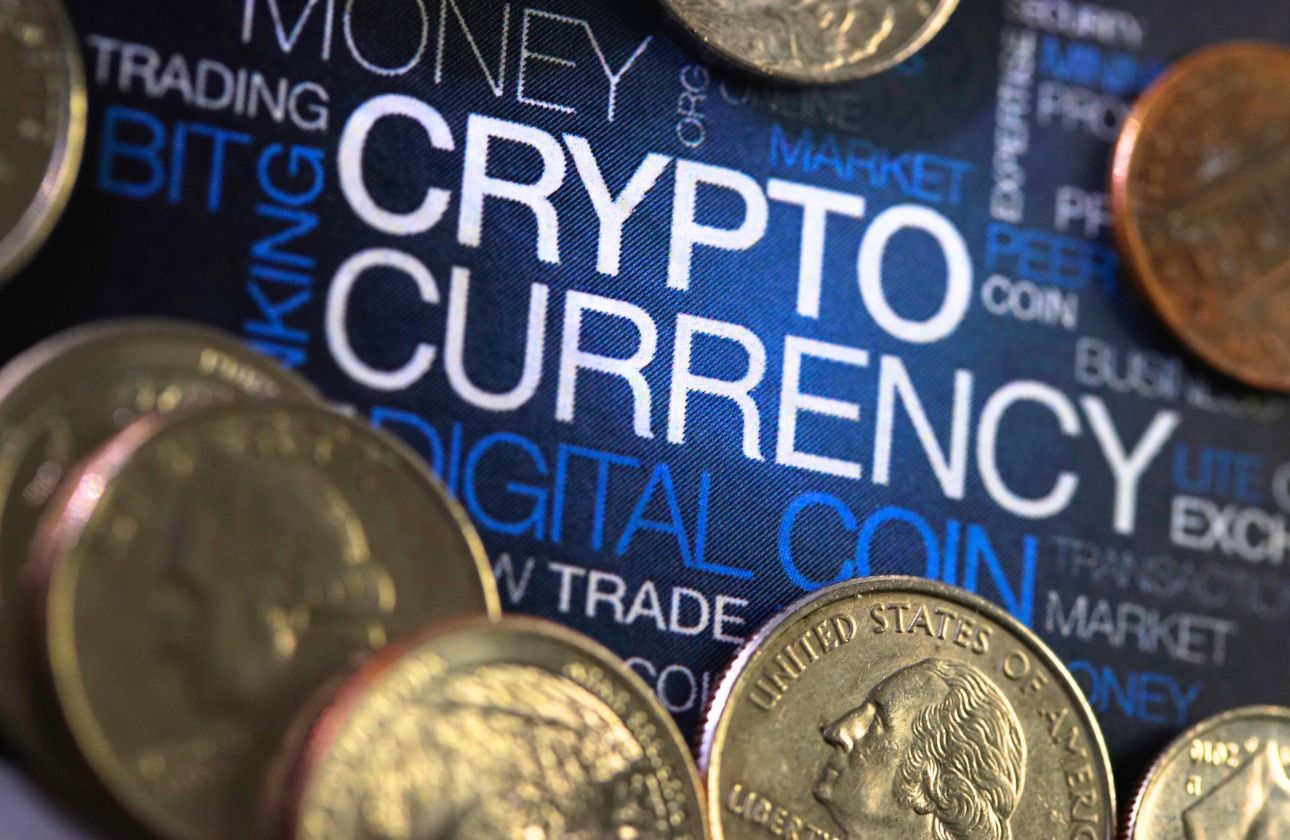
Cryptocurrencies have emerged as one of the most transformative technologies of the 21st century. In India, interest in digital currencies like Bitcoin and Ethereum continues to grow, especially among young investors and tech-savvy entrepreneurs. However, the legal and regulatory environment around cryptocurrencies in India remains complex and uncertain.
This article breaks down the basics of cryptocurrency, its advantages, current market trends in India, and what the future might look like for crypto in the country.
Cryptocurrencies are digital or virtual currencies secured by cryptography. They operate on decentralized networks built on blockchain technology, which ensures transparency and prevents tampering or fraud.
Some of the most popular cryptocurrencies include:
Bitcoin (BTC) – the first and most well-known digital currency
Ethereum (ETH) – supports smart contracts and decentralized apps
Ripple (XRP), Litecoin (LTC), Solana (SOL) – other widely traded coins
Unlike traditional currencies, cryptocurrencies are not issued or controlled by any central authority.
Cryptocurrencies use blockchain, a distributed ledger that records all transactions across a network. Each transaction is verified by network participants through a process called mining or proof-of-stake validation, depending on the crypto.
Users store their coins in digital wallets and can send or receive funds globally without needing a bank or intermediary.
Despite regulatory uncertainty, India is one of the top countries in crypto adoption. The rise of crypto exchanges like WazirX, CoinDCX, and ZebPay has made it easier for Indians to buy, sell, and trade cryptocurrencies.
Key growth drivers include:
Increased smartphone and internet penetration
Youth-driven interest in decentralized finance
Global awareness of blockchain use cases
Potential for high returns on crypto investments
The Indian government has taken a cautious stance toward cryptocurrency. While the RBI banned crypto transactions in 2018, the Supreme Court lifted the ban in 2020. Since then, crypto trading has grown significantly.
In 2022, the government introduced a 30 percent tax on crypto income and 1 percent TDS on transactions, signaling its intent to regulate rather than ban.
Currently, a Crypto Bill is under discussion that may provide clarity on how digital currencies will be regulated, taxed, and integrated into the financial system.
While crypto offers exciting opportunities, it comes with risks:
High volatility and unpredictable market movements
Lack of investor protection and potential for fraud
Regulatory uncertainty and possible future restrictions
Cybersecurity threats including wallet hacking and phishing
Investors should proceed with caution, conduct due diligence, and avoid investing more than they can afford to lose.
The future of cryptocurrencies in India depends on several factors:
Government regulation that balances innovation with investor safety
Adoption of blockchain across industries like finance, supply chain, and healthcare
Introduction of Central Bank Digital Currency (CBDC) by the RBI
Global crypto market performance and institutional involvement
India is expected to take a hybrid approach, regulating cryptocurrencies as assets while exploring the digital rupee as a government-backed alternative.
Cryptocurrencies are reshaping the global financial landscape, and India is poised to play a significant role. Understanding how crypto works, staying updated on regulations, and approaching investment responsibly are key to making the most of this digital revolution.
As India moves toward a tech-driven financial future, cryptocurrencies could become an integral part of how we transact, invest, and build wealth.














Leave a Comment